• Front Page
  • Search
    • Digital Education
    • Terry Freedman's Books Bulletin
  • RSS
    • Welcome
    • The "About" Page
    • Testimonials
    • CV/Resumé
    • My Writing
    • Published articles
  • Corrections Policy
Menu

ICT & Computing in Education

Articles on education technology and related topics
  • Front Page
  • Search
  • Newsletters
    • Digital Education
    • Terry Freedman's Books Bulletin
  • RSS
  • Info
    • Welcome
    • The "About" Page
    • Testimonials
    • CV/Resumé
    • My Writing
    • Published articles
  • Corrections Policy
Remember these?

Remember these?

7 Books for Computing teachers

March 3, 2016

7 books for computing teachers

It's World Book Day, and as my contribution to it I thought I'd suggest 7 books that I believe all teachers of Computing should read. I have to tell you though: not all of my choices are directly concerned with Computing!

Please note that the links provided in the book cover images are Amazon affiliate links.

OK, in no particular order...

The New York Times Book of Mathematics

Not an obvious choice you might think, a book on mathematics. But this one is fascinating because there are sections on cryptography and computing, as well as odd chapters on interesting topics like random numbers and electronics.

The subtitle of the book is More than 100 years of writing by the numbers. In other words, this is a collection of articles taken from the New York Times over the last 100 years. It's readable for non-mathematicians (well, mostly), and gives you a great historical perspective of how computing – and thinking about computing – has developed over that time.


Click on the image to see the book on Amazon.

The Thrilling Adventures of Lovelace and Babbage

Ada Lovelace is recognised as the first computer programmer – even though computers hadn't been invented during her lifetime. She worked closely with Babbage, and saw possibilities in his Analytical Engine that had eluded even him. The Engine was never built, but this book imagines what might have happened if it had been. It's a great read, especially if you like graphic novels.


Click on the image to see the book on Amazon.

Brown Dogs and Barbers

Karl Beecher explains what Computing is all about, and provides an almost-excellent historical perspective. I say "almost excellent" because for me it is spoilt by the absence of Ada Lovelace. Nevertheless, in showing what makes the difference between an automated device and a computer, and the mathematical thinking behind computing, Beecher does a pretty good job for the lay person.


Click on the image to see the book on Amazon.


Introducing Computing: A guide for teachers

I haven't actually read this book from cover to cover, so this is a snapshot view if you will. Edited by Lawrence Williams,  a long-standing member of the educational computing community in Britain, the book is a good mix of ideas and the practical. For example, there is a chapter called Philosophy and Computing, as well as chapters on introducing computing into Key Stage 2 (primary/elementary school) and Key Stage 3 (secondary/high school).

It's also an academic book in that it draws on research, including original research, while managing to be interesting to read as well.


Click on the image to see the book on Amazon.

Raspberry Pi for Kids

This is a "Dummies" book, but don't let that put you off. From chapters on finding parts for your Pi and connecting it up, the book gets into its stride with projects in Scratch, Python, Linux and Minecraft, as well as other interesting topics like making your Pi work with a webcam.

Despite its name, the book is not dumbed down, and covers some quite sophisticated ideas. It is also clearly laid out. Definitely a good introduction to the hardware and how you can program it.


Click on the image to see the book on Amazon.


Learning with E's

This is a book to make you think. Based on Steve Wheeler's blog of the same name, it includes topics like "measuring learning in the digital age", a curriculum for the 21st century and digital identities. Although Wheeler is an academic, he is that rare bird, someone who writes in a way that is both engaging and understandable. This book will provide not only enjoyment in itself, but a wealth of topics to discuss with your students.


Click on the image to see the book on Amazon.


Coding for Kids

Another "Dummies" book, but again, don't let the title put you off. It consists of 15 projects with a program called Microworlds, a trial version of which is provided for free. The principles of the projects could be applied to other programming languages – in many respects it is reminiscent of Logo. Definitely worth exploring.


Click on the image to see the book on Amazon.


Reviews

I've previously reviewed some of the books mentioned here in this article. Here are the links:

The Thrilling Adventures of Lovelace and Babbage

Brown Dogs and Barbers

Learning with E's

Coding for Kids

My newsletter, Digital Education, regularly features book reviews. Please sign up for a free subscription: Digital Education.
Featured
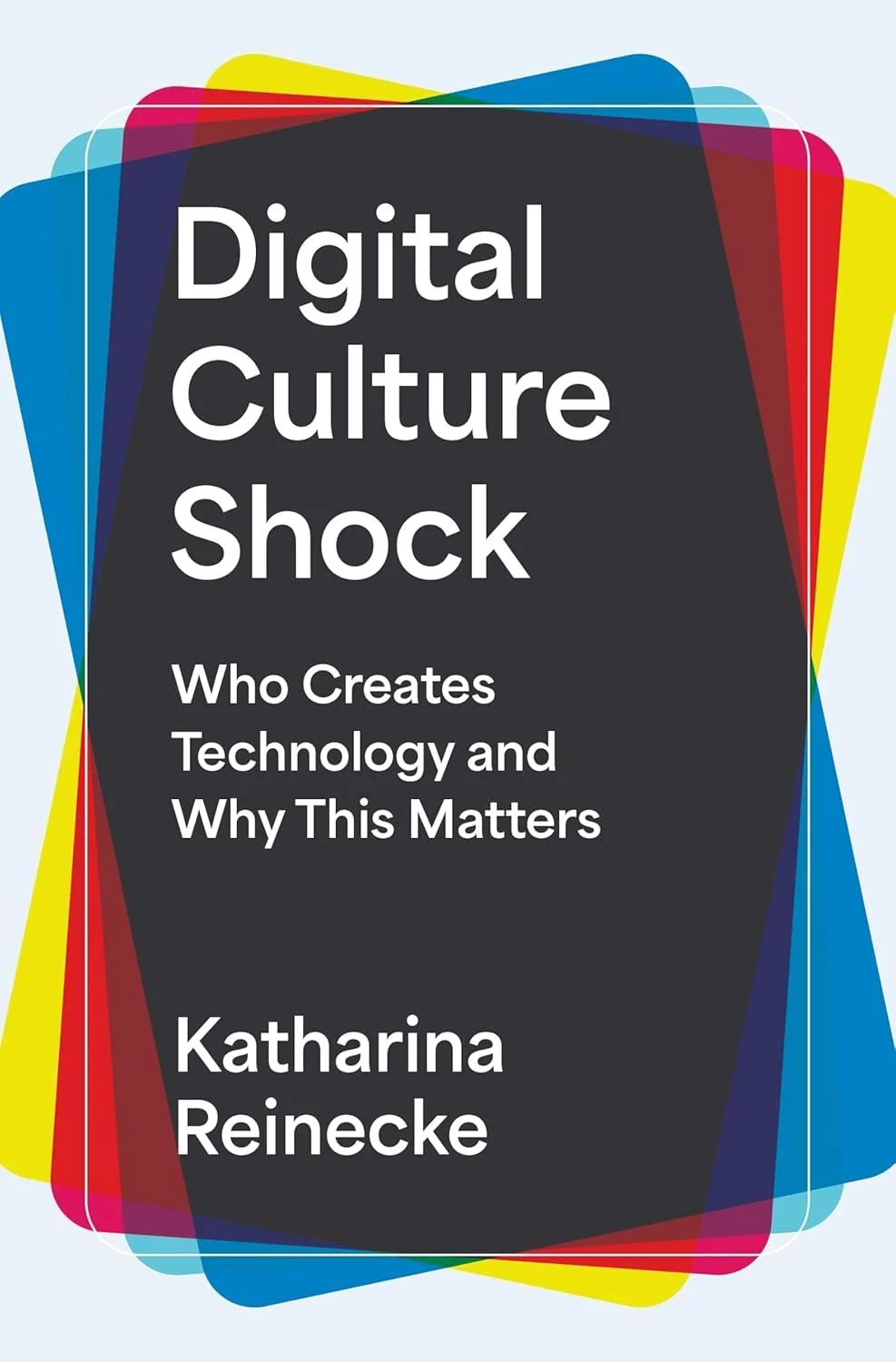
digital culture shock.jpg
Nov 23, 2025
Quick look: Digital Culture Shock: Who Creates Technology and Why This Matters
Nov 23, 2025

Chapters look at how technology is used around the world, online communities, and building a culturally just infrastucture, amongst other topics.

Nov 23, 2025
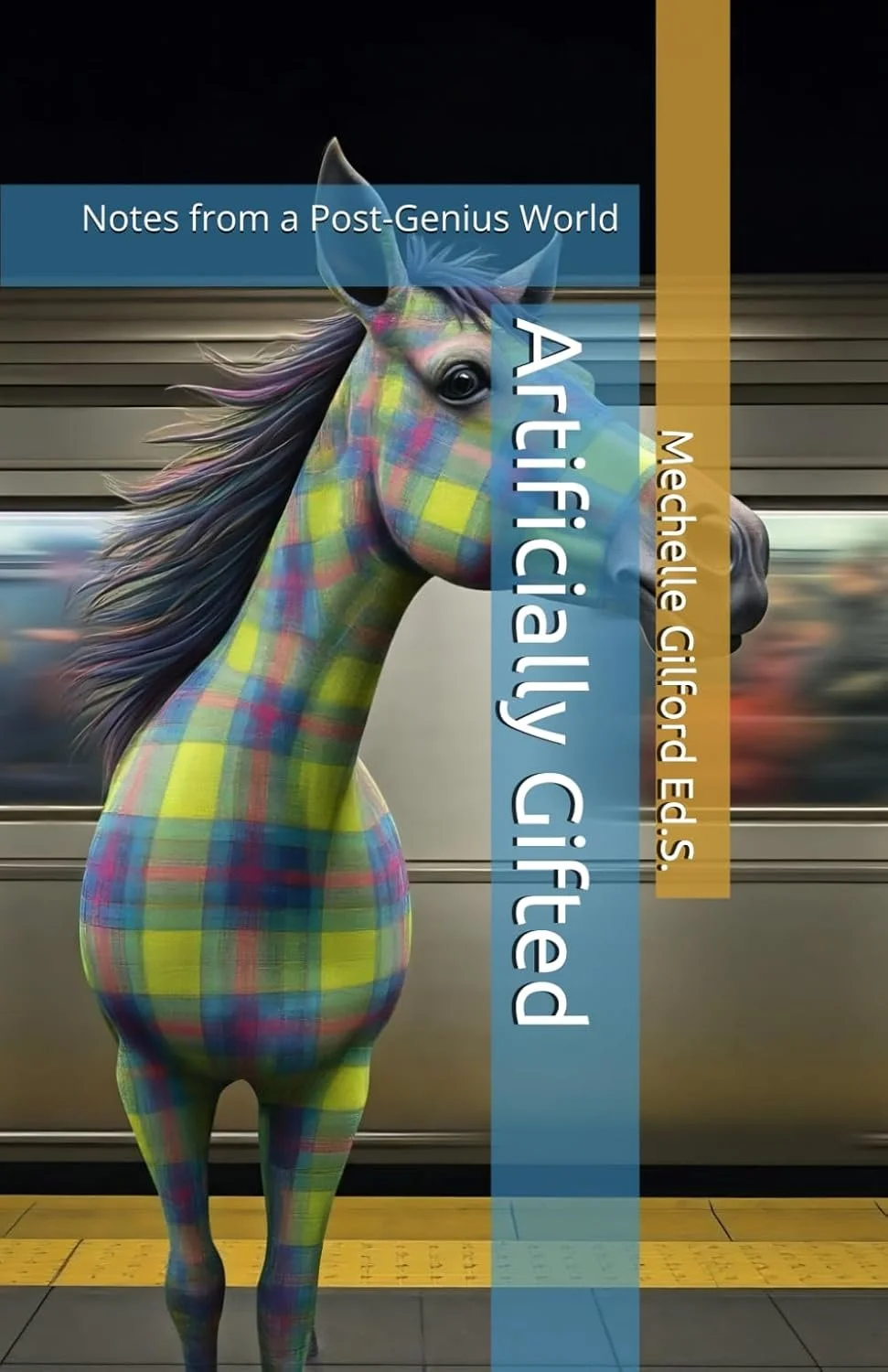
Artificially Gifted Notes from a Post-Genius World.jpg
Nov 23, 2025
Quick look: Artificially Gifted: Notes from a Post-Genius World
Nov 23, 2025

The author, Mechelle Gilford, explores how AI may render our usual way of interpreting the concept of “gifted” obsolete.

Nov 23, 2025
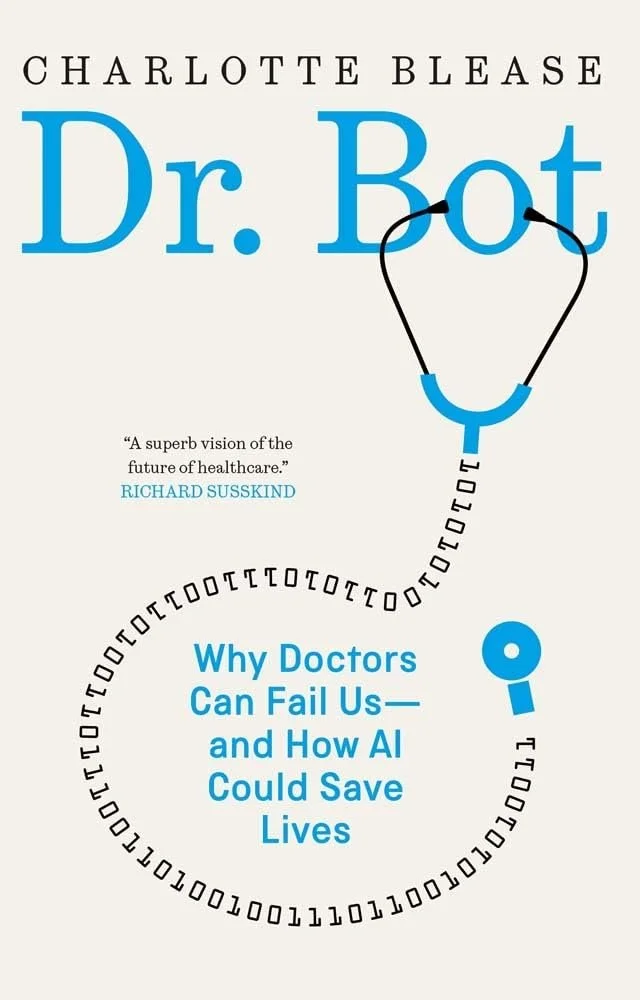
dr bot.jpg
Nov 21, 2025
Quick look: Dr. Bot: Why Doctors Can Fail Us―and How AI Could Save Lives
Nov 21, 2025

Dr Bot discusses something I hadn’t really considered…

Nov 21, 2025
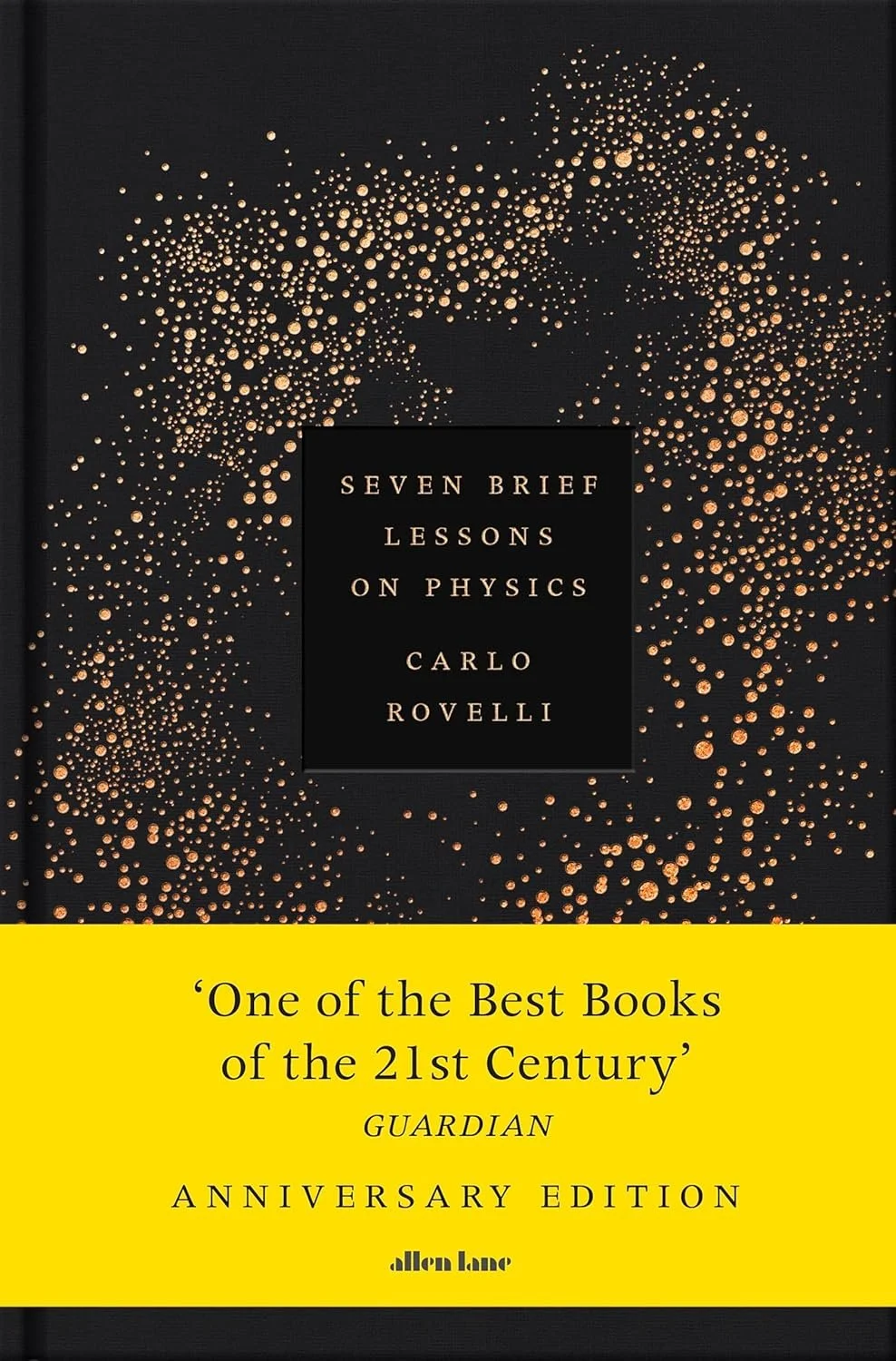
seven lessons 2.jpg
Nov 14, 2025
Review: Seven Brief Lessons on Physics: Anniversary Edition
Nov 14, 2025

Rovelli draws readers into his world by describing the development of theories that scientists have posited to try and explain our world and the universe beyond.

Nov 14, 2025
dear data.jpg
Nov 6, 2025
Review: Dear Data
Nov 6, 2025

The authors spent a year sending each other postcards on a different theme each week, with pictorial representations of the data they had collected.

Nov 6, 2025
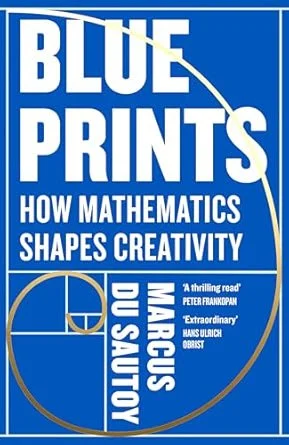
Blueprints.jpg
Nov 3, 2025
Review: Blueprints: How mathematics shapes creativity
Nov 3, 2025

What place might Blueprints merit on a teacher’s bookshelves?

Nov 3, 2025
renaturing.jpg
Oct 7, 2025
Review: Renaturing: Small Ways to Wild the World
Oct 7, 2025

This book could prove useful to schools keen to cultivate their own dedicated ‘back to nature’ area.

Oct 7, 2025
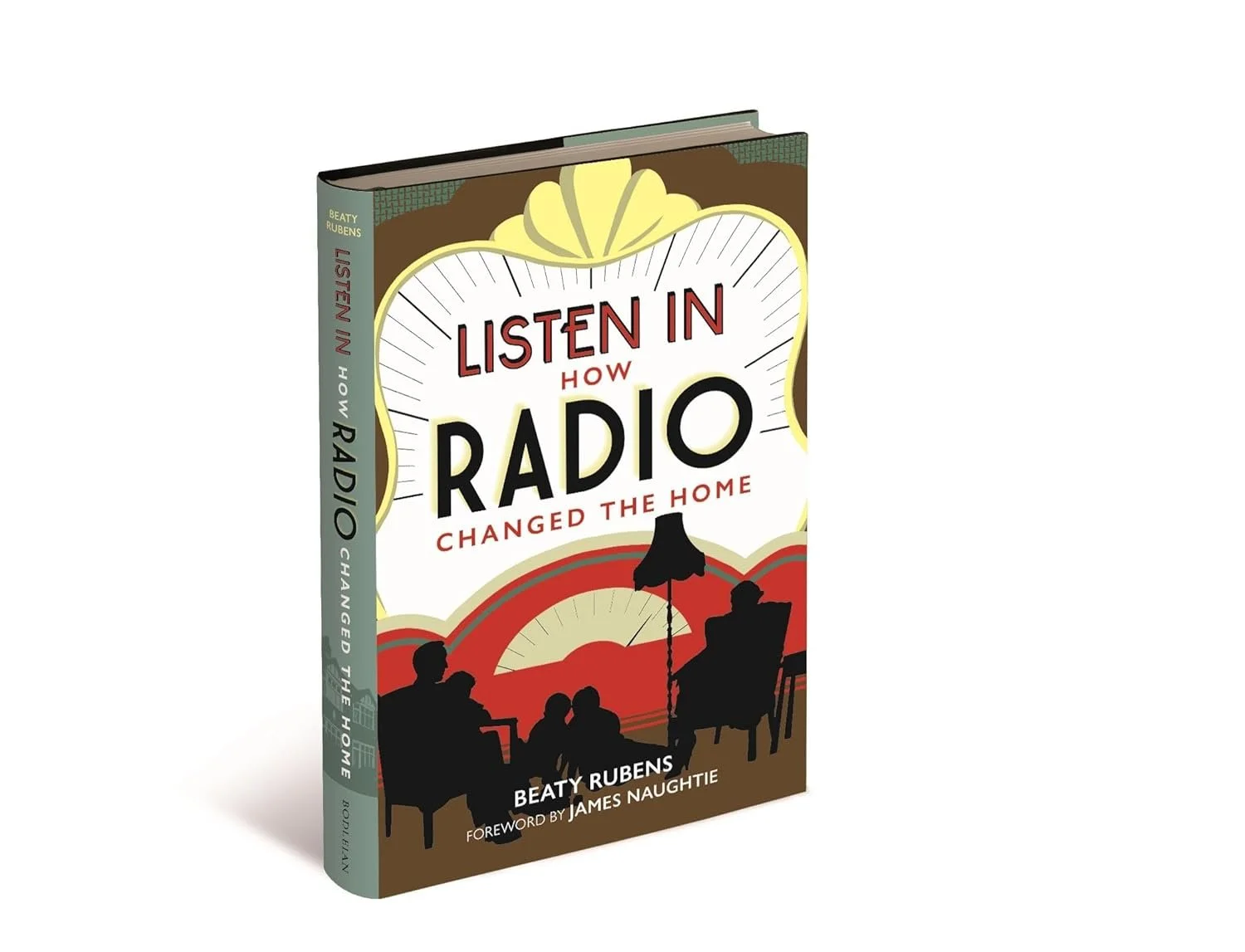
listen in.jpg
Oct 7, 2025
Review: Listen In: How Radio Changed the Home
Oct 7, 2025

A couple of generations before the first internet cafés were opened, someone attempted pretty much the same thing by opening a ‘radio café’.

Oct 7, 2025
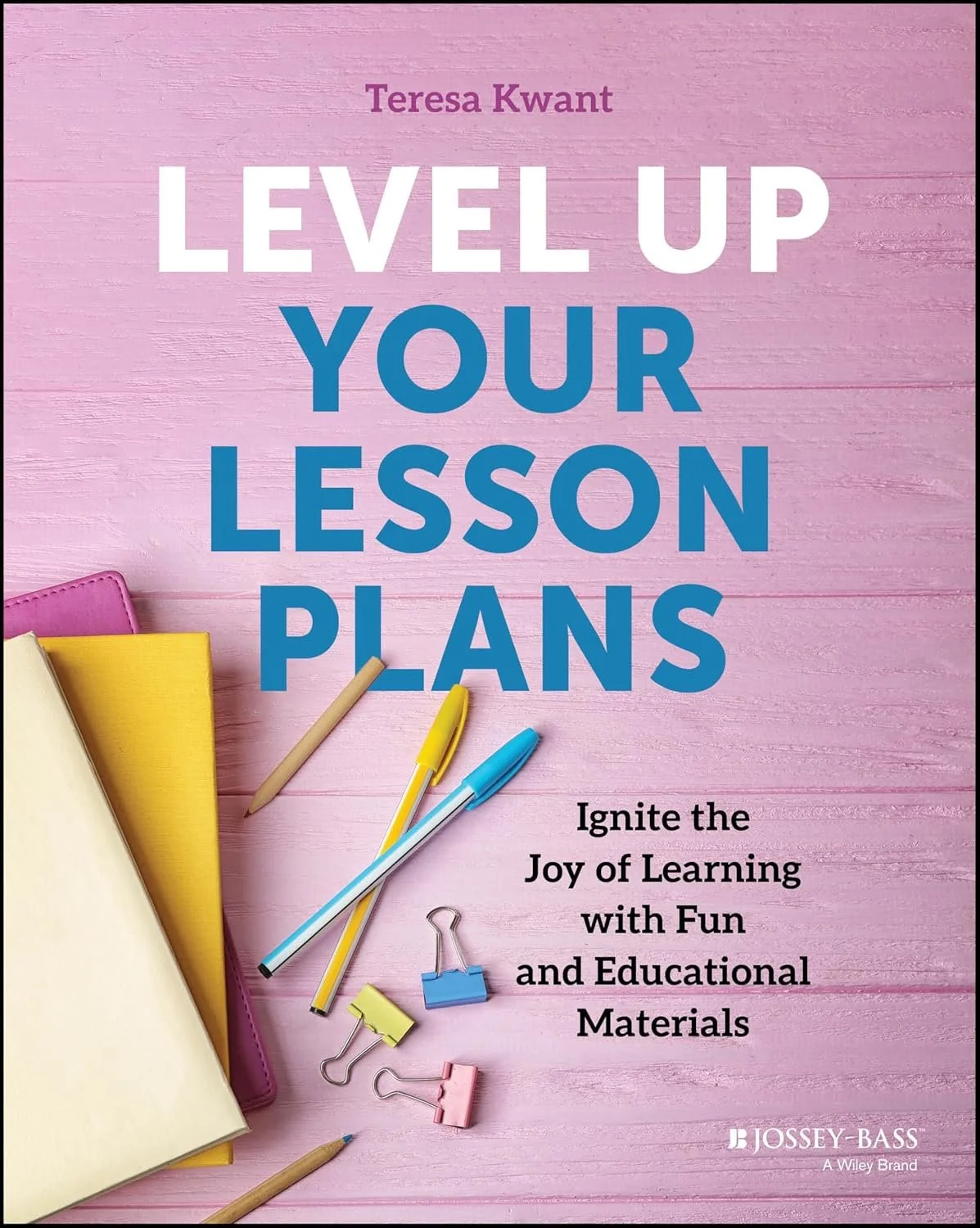
level up.jpg
Oct 7, 2025
Review: Level Up Your Lesson Plans: Ignite the Joy of Learning with Fun and Educational Materials
Oct 7, 2025

This book is awash with ideas.

Oct 7, 2025
conversations-with-Third-Reich-Contemporaries.jpg
Oct 7, 2025
Review: Conversations With Third Reich Contemporaries: : From Luke Holland’s Final Account
Oct 7, 2025

This may be useful for the Hiostory department in your school.

Oct 7, 2025


In Bookshelf, Leading & Managing Computing & ICT, Professional development, Reviews, Using and Teaching Computing & ICT Tags book reviews, book review, My Bookshelf, What I've been reading
← 6 reasons that computing lessons shouldn't be driven by kids7 reasons to visit the exhibitions area at ed tech conferences →
Recent book reviews
digital culture shock.jpg
Quick look: Digital Culture Shock: Who Creates Technology and Why This Matters

Chapters look at how technology is used around the world, online communities, and building a culturally just infrastucture, amongst other topics.

Read More →
Artificially Gifted Notes from a Post-Genius World.jpg
Quick look: Artificially Gifted: Notes from a Post-Genius World

The author, Mechelle Gilford, explores how AI may render our usual way of interpreting the concept of “gifted” obsolete.

Read More →
dr bot.jpg
Quick look: Dr. Bot: Why Doctors Can Fail Us―and How AI Could Save Lives

Dr Bot discusses something I hadn’t really considered…

Read More →
seven lessons 2.jpg
Review: Seven Brief Lessons on Physics: Anniversary Edition

Rovelli draws readers into his world by describing the development of theories that scientists have posited to try and explain our world and the universe beyond.

Read More →
dear data.jpg
Review: Dear Data

The authors spent a year sending each other postcards on a different theme each week, with pictorial representations of the data they had collected.

Read More →
Blueprints.jpg
Review: Blueprints: How mathematics shapes creativity

What place might Blueprints merit on a teacher’s bookshelves?

Read More →
renaturing.jpg
Review: Renaturing: Small Ways to Wild the World

This book could prove useful to schools keen to cultivate their own dedicated ‘back to nature’ area.

Read More →
listen in.jpg
Review: Listen In: How Radio Changed the Home

A couple of generations before the first internet cafés were opened, someone attempted pretty much the same thing by opening a ‘radio café’.

Read More →
level up.jpg
Review: Level Up Your Lesson Plans: Ignite the Joy of Learning with Fun and Educational Materials

This book is awash with ideas.

Read More →
conversations-with-Third-Reich-Contemporaries.jpg
Review: Conversations With Third Reich Contemporaries: : From Luke Holland’s Final Account

This may be useful for the Hiostory department in your school.

Read More →
Dig+Ed+Banner.jpg

Contact us

Privacy

Cookies

Terms and conditions

This website is powered by Squarespace

(c) Terry Freedman All Rights Reserved